2026 Salomon S/Lab QST Blank Skis with Tyrolia Attack 14 GW Bindings
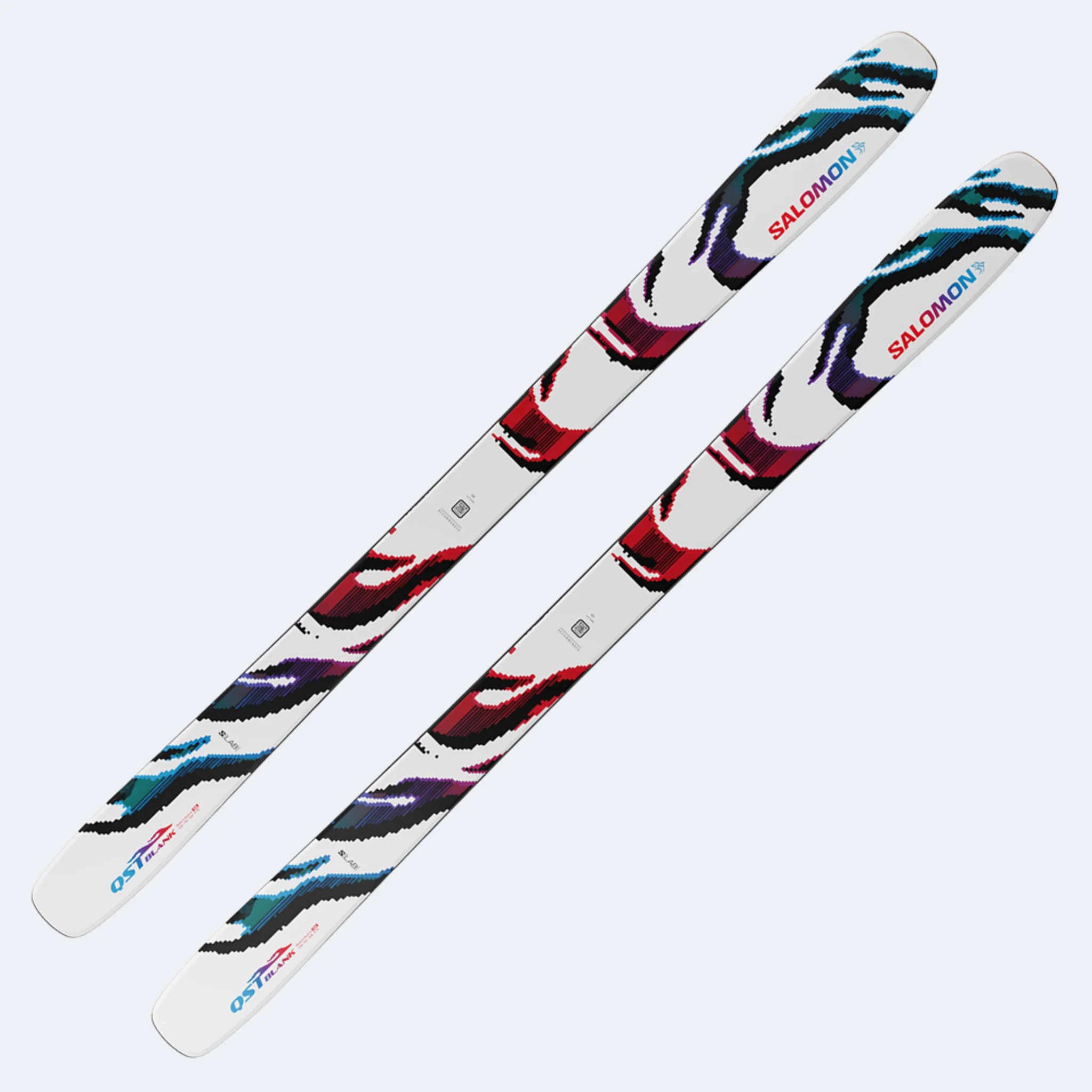
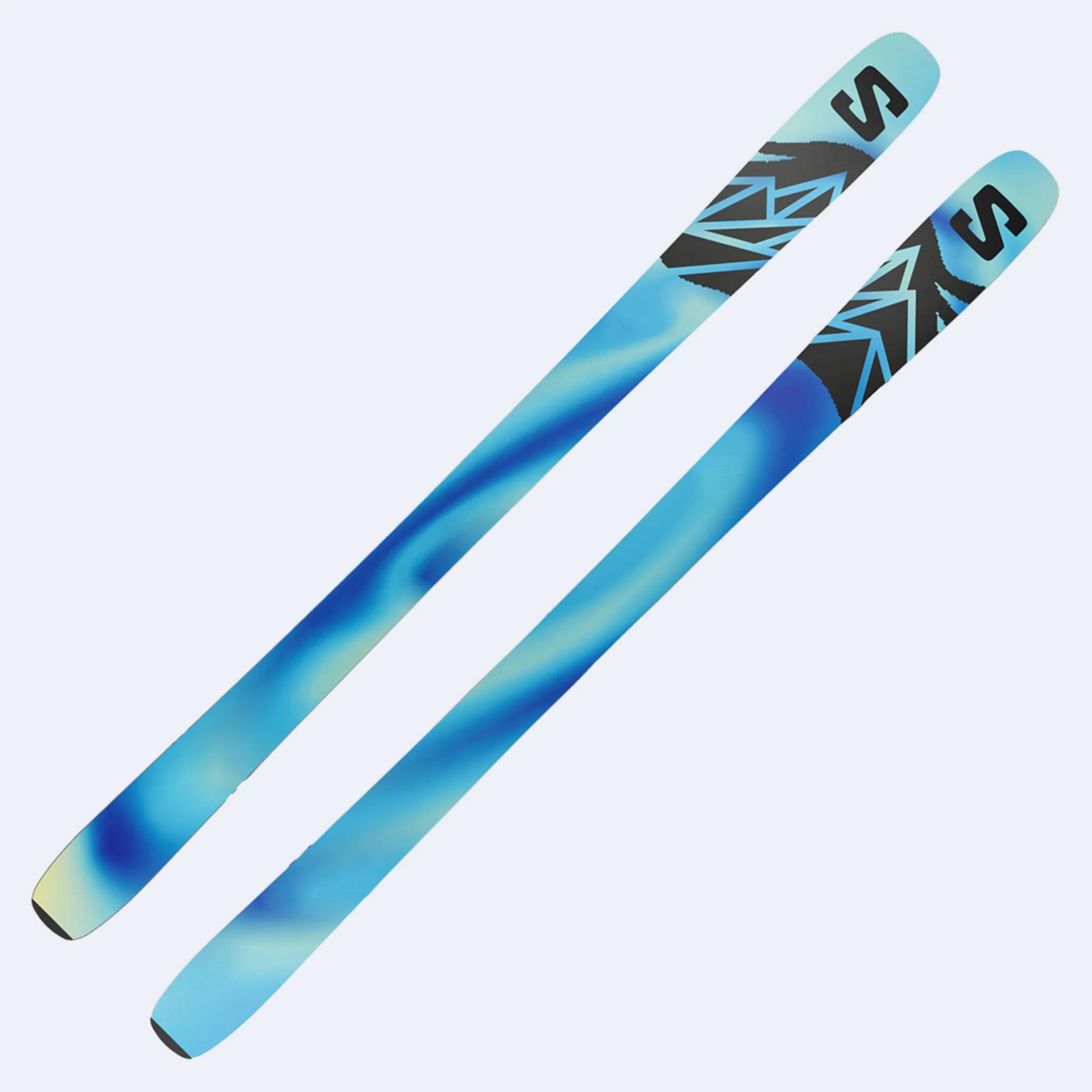
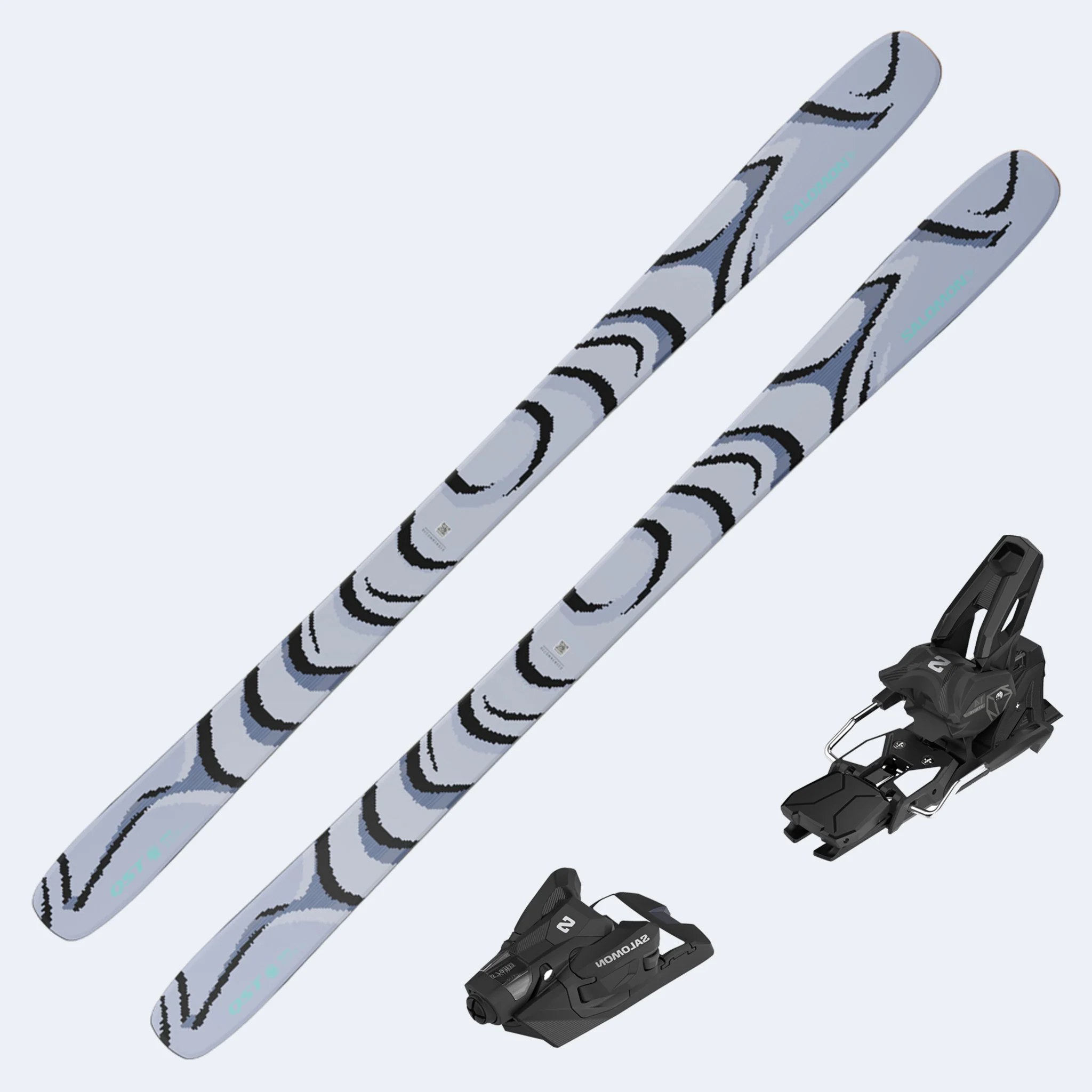
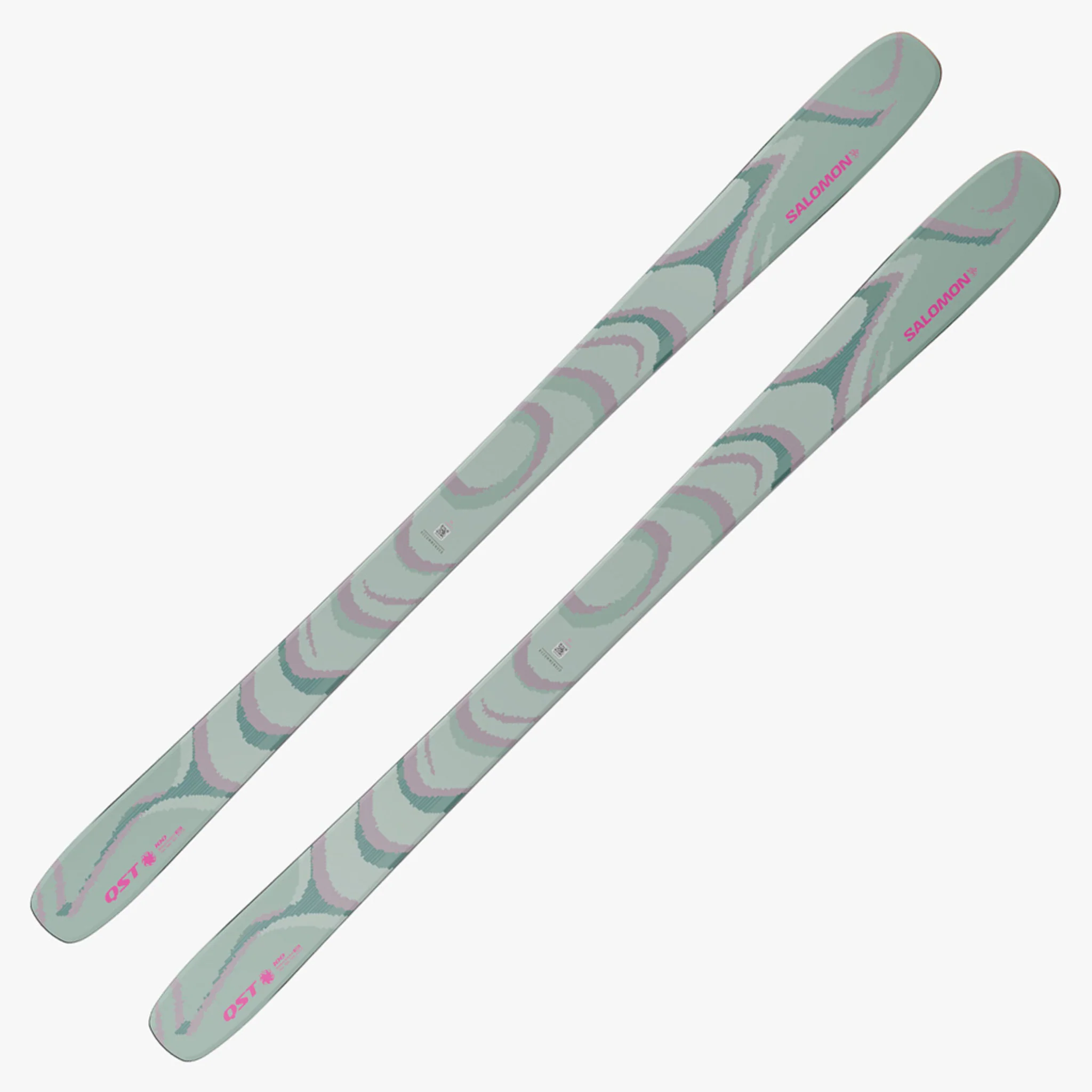
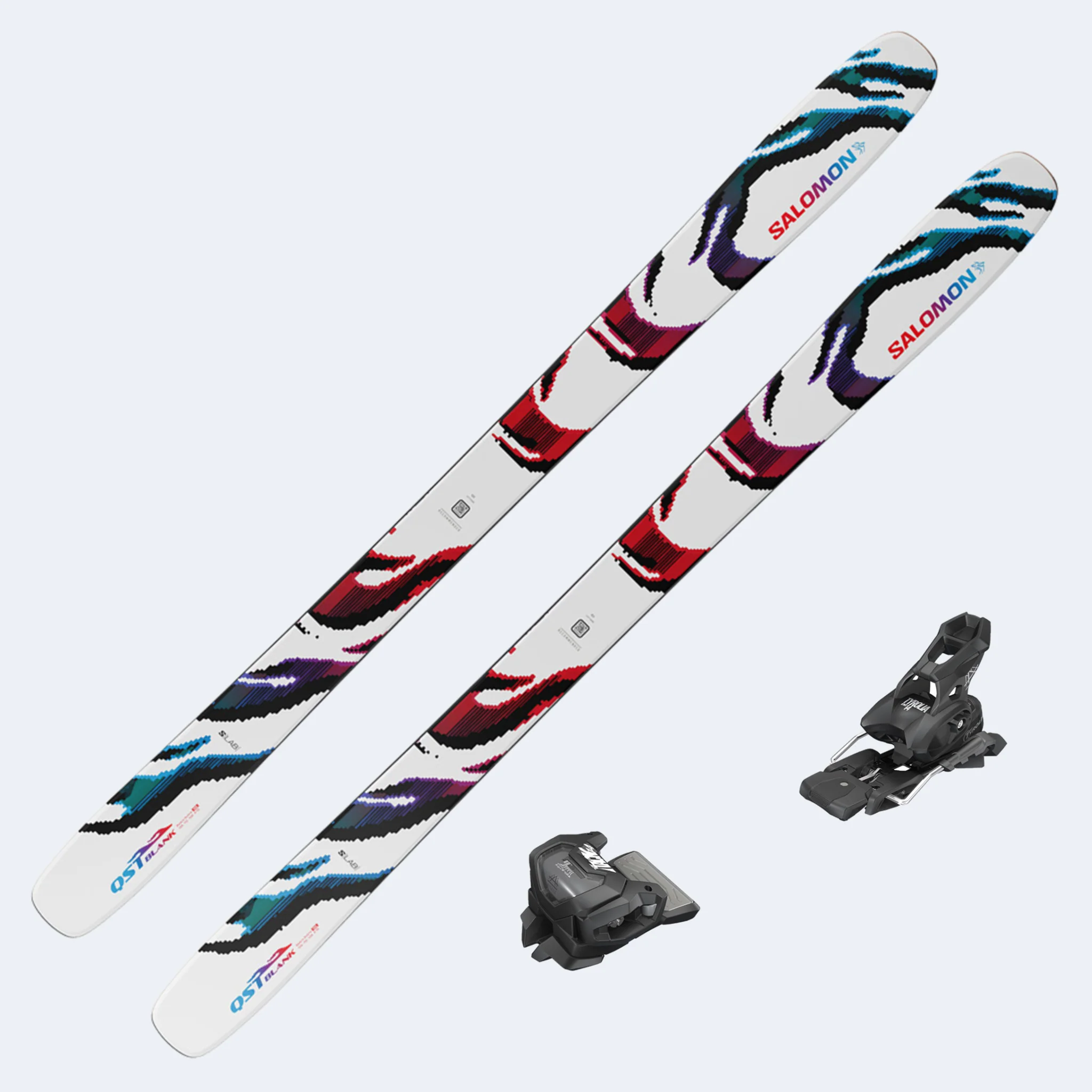
The 2026 Salomon S/LAB QST Blank with Tyrolia Attack 14 GW Bindings is a high-performance freeride charger, designed in collaboration with Salomon’s Mountain Collective athletes to push limits in deep, technical terrain. With its 112 mm waist and powerful, responsive feel, this ski thrives in steep fall-line skiing, variable snow, and high-consequence lines. We paired the ski with the Tyrolia Attack 14 GW because of the Attack’s light weight, reliability, and ease-of-use for all mountain and freeride skiers. Additionally, ample elastic travel and direct power transmission function to ensure these bindings cater perfectly to the needs of demanding freeriders.
Why we like it:
When the terrain demands respect, the QST Blank answers with poise and power. Unlike many wide skis that rely solely on float, this one brings serious composure to the table—blending maneuverability and control into a shape that’s as confident in chutes and spines as it is on open faces.
Who it's for:
Advanced to expert freeride skiers who aren’t just playing around on powder days. This is for directional riders who charge hard and need a ski that responds with stability, drive, and dampness—whether you're dropping cliffs or managing tricky exit lines.
Highlights:
A lightweight poplar wood core forms the foundation, while C/FX and basalt layers deliver the shock absorption and power transfer needed for demanding terrain. Double Sidewall Technology improves bite on refrozen snow or variable surfaces, and extended tip and tail rocker provide a surfy, floaty feel in deep conditions. With its subtly tapered shape and freeride-forward stance, the Blank manages to stay intuitive without giving up the precision needed for serious lines. The Attack 14 GW’s FR PRO3 Toe contains 30 mm of elastic travel which provides a smooth and confidence inspiring feel when tracking though variable snow while also recentering the boot to its neutral position extremely well to keep you locked in, acting almost like a suspension system. NX FR Heel pieces have 16 mm of elastic travel which assists in prevent false-releases. These heel pieces also make stepping into and out of bindings with ease, even in deep snow.
Things to consider:
This ski is built for aggressive, committed skiing. While it's more accessible than some metal-laden chargers, it still requires energy and control to unlock its potential. More casual powder skiers might find it overbuilt for mellow terrain or slower speeds.
Fit & sizing considerations:
Runs true to length. Skiers focused on tight trees or maneuverability may choose to size down slightly, but for best float and stability in bigger terrain, we recommend your standard freeride length—typically longer than a traditional all-mountain setup.
The 2026 Salomon S/LAB QST Blank with Tyrolia Attack 14 GW Bindings is a high-performance freeride charger, designed in collaboration with Salomon’s Mountain Collective athletes to push limits in deep, technical terrain. With its 112 mm waist and powerful, responsive feel, this ski thrives in steep fall-line skiing, variable snow, and high-consequence lines. We paired the ski with the Tyrolia Attack 14 GW because of the Attack’s light weight, reliability, and ease-of-use for all mountain and freeride skiers. Additionally, ample elastic travel and direct power transmission function to ensure these bindings cater perfectly to the needs of demanding freeriders.
Why we like it:
When the terrain demands respect, the QST Blank answers with poise and power. Unlike many wide skis that rely solely on float, this one brings serious composure to the table—blending maneuverability and control into a shape that’s as confident in chutes and spines as it is on open faces.
Who it's for:
Advanced to expert freeride skiers who aren’t just playing around on powder days. This is for directional riders who charge hard and need a ski that responds with stability, drive, and dampness—whether you're dropping cliffs or managing tricky exit lines.
Highlights:
A lightweight poplar wood core forms the foundation, while C/FX and basalt layers deliver the shock absorption and power transfer needed for demanding terrain. Double Sidewall Technology improves bite on refrozen snow or variable surfaces, and extended tip and tail rocker provide a surfy, floaty feel in deep conditions. With its subtly tapered shape and freeride-forward stance, the Blank manages to stay intuitive without giving up the precision needed for serious lines. The Attack 14 GW’s FR PRO3 Toe contains 30 mm of elastic travel which provides a smooth and confidence inspiring feel when tracking though variable snow while also recentering the boot to its neutral position extremely well to keep you locked in, acting almost like a suspension system. NX FR Heel pieces have 16 mm of elastic travel which assists in prevent false-releases. These heel pieces also make stepping into and out of bindings with ease, even in deep snow.
Things to consider:
This ski is built for aggressive, committed skiing. While it's more accessible than some metal-laden chargers, it still requires energy and control to unlock its potential. More casual powder skiers might find it overbuilt for mellow terrain or slower speeds.
Fit & sizing considerations:
Runs true to length. Skiers focused on tight trees or maneuverability may choose to size down slightly, but for best float and stability in bigger terrain, we recommend your standard freeride length—typically longer than a traditional all-mountain setup.
Description
The 2026 Salomon S/LAB QST Blank with Tyrolia Attack 14 GW Bindings is a high-performance freeride charger, designed in collaboration with Salomon’s Mountain Collective athletes to push limits in deep, technical terrain. With its 112 mm waist and powerful, responsive feel, this ski thrives in steep fall-line skiing, variable snow, and high-consequence lines. We paired the ski with the Tyrolia Attack 14 GW because of the Attack’s light weight, reliability, and ease-of-use for all mountain and freeride skiers. Additionally, ample elastic travel and direct power transmission function to ensure these bindings cater perfectly to the needs of demanding freeriders.
Why we like it:
When the terrain demands respect, the QST Blank answers with poise and power. Unlike many wide skis that rely solely on float, this one brings serious composure to the table—blending maneuverability and control into a shape that’s as confident in chutes and spines as it is on open faces.
Who it's for:
Advanced to expert freeride skiers who aren’t just playing around on powder days. This is for directional riders who charge hard and need a ski that responds with stability, drive, and dampness—whether you're dropping cliffs or managing tricky exit lines.
Highlights:
A lightweight poplar wood core forms the foundation, while C/FX and basalt layers deliver the shock absorption and power transfer needed for demanding terrain. Double Sidewall Technology improves bite on refrozen snow or variable surfaces, and extended tip and tail rocker provide a surfy, floaty feel in deep conditions. With its subtly tapered shape and freeride-forward stance, the Blank manages to stay intuitive without giving up the precision needed for serious lines. The Attack 14 GW’s FR PRO3 Toe contains 30 mm of elastic travel which provides a smooth and confidence inspiring feel when tracking though variable snow while also recentering the boot to its neutral position extremely well to keep you locked in, acting almost like a suspension system. NX FR Heel pieces have 16 mm of elastic travel which assists in prevent false-releases. These heel pieces also make stepping into and out of bindings with ease, even in deep snow.
Things to consider:
This ski is built for aggressive, committed skiing. While it's more accessible than some metal-laden chargers, it still requires energy and control to unlock its potential. More casual powder skiers might find it overbuilt for mellow terrain or slower speeds.
Fit & sizing considerations:
Runs true to length. Skiers focused on tight trees or maneuverability may choose to size down slightly, but for best float and stability in bigger terrain, we recommend your standard freeride length—typically longer than a traditional all-mountain setup.